Secrets to living longer lie within your DNA. Your genetic makeup plays a pivotal role in shaping your health and longevity. Genetics can seem complex, but understanding how your DNA influences your life can help you make better choices.
For instance, your DNA can reveal your risk for heart disease, diabetes, and other conditions. By unlocking these genetic insights, you can gain valuable knowledge about your body — including how you respond to food, exercise, and even stress. Knowing this information helps you make informed decisions that lead to a healthier, longer life.
However, to truly harness the power of DNA for health and longevity, we need more advanced tools. This is where intelligent robotics and automation become essential. These innovations are vital for accelerating discoveries and delivering faster, more accurate, and more personalized results.
Key areas where robotic advancements are urgently needed include:
- Early diagnosis of genetic diseases and cancers.
- Personalized pharmacogenomics (customized medications based on your genes).
- Active prevention and real-time health monitoring.
- Advanced research to discover new longevity-related genes.
- Fast population-wide screening during public health emergencies.
- As robotic technologies and AI evolve, they open exciting possibilities for using DNA testing not just for diagnostics, but as a foundation for lifelong health strategies tailored to each individual.

Ultra-modern, well-equipped laboratory in Zurich, Switzerland, featuring scientists and robotic devices. Overlooking ETH Zurich and the Limmat River, researchers study secrets to living longer through human DNA testing, highlighting the scientific challenges and breakthroughs in longevity research.
Secrets to Living Longer: How DNA Influences Our Health
Our DNA exists in nearly every cell of our body and provides the essential instructions that regulate our growth, development, and overall health. Secrets to living longer are hidden within this genetic code, as it can reveal vital information about our susceptibility to certain diseases and how our bodies respond to factors like food, exercise, and medications.
Gaining these insights through DNA testing offers a clearer understanding of our health, empowering us to make informed decisions and take proactive steps toward living a longer, healthier life.
With DNA testing, we can uncover whether we’re at higher risk for various health conditions, how our bodies process food, and how they respond to exercise. These revelations guide us toward healthier and more balanced decisions that contribute to living a longer life.
Unlocking the Secrets to Living Longer: Understanding Health Through DNA Testing
DNA tests, which I find fascinating, can reveal your risk for various diseases. Genetic modifiers play a key role in this, helping to determine whether you have a greater risk for conditions like diabetes, heart disease, and even cancer.
Certain genes, such as the BRCA1 and BRCA2 genes, can increase your risk for breast and ovarian cancers. Early awareness of these genetic risks allows you to modify your lifestyle before more serious health issues arise. This might include adjusting your diet, exercising more, or scheduling regular doctor visits to proactively manage your health.

Technologically advanced laboratory in Hong Kong, China, where scientists work on laptops and examine robotic devices. The lab offers a stunning night view of the city, including the iconic ICC skyscraper, as researchers focus on uncovering secrets to longevity through human genetic testing.
Food Sensitivity Nutrition
Your DNA plays a role in how your body handles various foods. Some people’s genes are more sensitive to certain foods like gluten and dairy, while others may have difficulty metabolizing sugar or fat. DNA testing can reveal these sensitivities, allowing you to make better dietary choices.
Understanding these aspects of your genetic makeup empowers you to select the foods that will keep you healthy. Additionally, your DNA can indicate how well your body absorbs vitamins and minerals, helping you understand how to optimize your nutrient intake.
Exercise and Fitness
Your body’s response to exercise can vary depending on your genes. For example, some people may be genetically predisposed to excel in long-distance running, while others may perform better with weightlifting and muscle-building exercises.
Before selecting the right exercise routine for your goals, it’s essential to understand your body’s natural strengths. If your genes indicate that you’re more suited for running, focusing on endurance exercises will help maximize your fitness while minimizing injury risks.
Mental Health and Stress
Genetic testing can also show how much you are susceptible to your mental health. Your DNA may also predispose some people to feeling more stress or anxiety. There are some genes that put us more on a stress edge than on a calm edge. If you know that this is something about yourself, you can prepare for that, whether that’s practicing relaxation techniques or asking for help when you need it.
DNA testing can also help indicate your chances of developing certain conditions, like depression. If you are at higher risk, however, you can take steps to protect your mental health, like prioritizing self-care, keeping in touch with friends and family, and seeking therapy if needed.
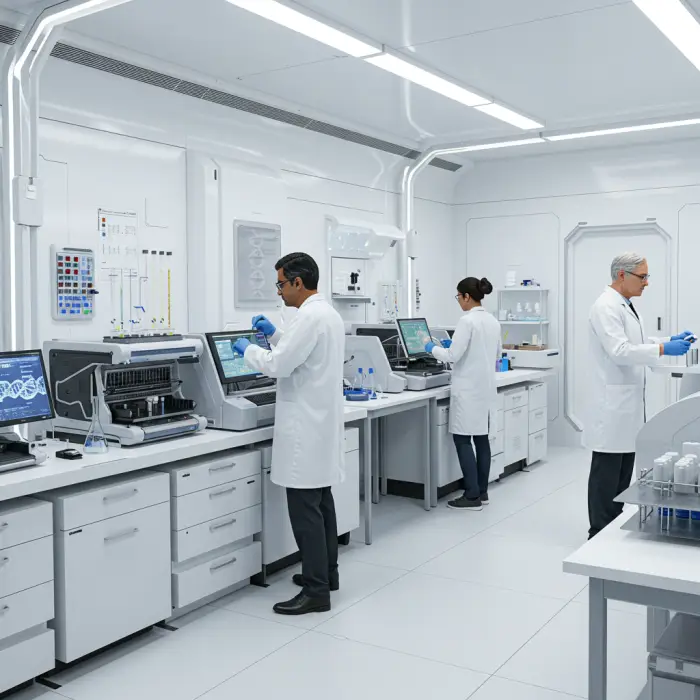
Top-tier, state-of-the-art laboratory where scientists use cutting-edge robotic devices to conduct advanced research on human genetics related to mental health and stress. The team investigates how DNA influences susceptibility to anxiety and depression to create personalized strategies for mental wellness.
Aging and Longevity
Your DNA can even provide insights into how you age. Some genes are directly linked to longevity and healthier aging — these are part of the secrets to living longer. If your genetic profile suggests a higher risk of accelerated aging, you can take proactive steps to slow the process.
In most cases, this means adopting a balanced diet, staying physically active, managing stress, and keeping your brain engaged. Understanding what your genes reveal about aging empowers you to take control of your long-term health and make choices that support a longer, healthier life.
Modern Wellness Ecosystem
A DNA Test: Get personalized genetic testing insights by sharing three or more things you’ve learned about wellness. In the past, doctors recommended what worked for most people, but now we have advice tailored specifically to each individual through DNA testing.
We can find the foods, exercises, and patterns of living that work best for us. DNA testing explains what our genes tell us about our risks for health problems. With this information, we can take action within our lives—set goals, develop habits, and change behaviors—to improve our health and prevent illness, previously noted by Jennifer.
Secrets to Living Longer: Personalized Health – Make Your DNA Work for You
You can leverage your genes to create a personalized health plan. If your genes indicate you’re at risk of heart disease, for example, you can eat healthier, exercise more, and schedule regular check-ups. If your genes suggest sensitivity to certain foods, avoiding them could greatly improve your health.
Your DNA can be a powerful ally in your health journey, offering a “manual” that helps you understand your body more intimately. By making informed, gene-based choices, you can improve your overall health, fitness, and longevity on your health journey.

Ultra-modern laboratory equipped with holographic displays, robotic devices, and scientists, overlooking Shenzhen, China. The research focuses on human DNA testing and developing personalized health solutions based on individual genetic profiles.
Conclusion
DNA testing provides unique insights into our health, enabling us to make more informed choices. It reveals our genetic strengths and vulnerabilities, helping us prevent diseases, manage stress, and lead healthier lives. Ultimately, the future of wellness is personal — and your DNA is the key to unlocking it.
As robotic and AI technologies continue to evolve, they are making these genetic insights more accessible, precise, and actionable. Despite the high costs of scientific robots and devices — which vary depending on their function, structure, and level of sophistication — they are essential tools in modern laboratories. These technologies help overcome major scientific challenges, accelerate discoveries, and improve the accuracy and efficiency of health research.
These secrets to living longer and healthier lives are becoming reality — thanks to the powerful combination of genetics and cutting-edge technology.