Light, sound, and vibration are powerful forces that impact cellular function and gene expression. These phenomena influence how DNA synthesizes proteins and communicates within cells by causing changes through resonance, where DNA absorbs specific frequencies and mechanical vibrations.
This interaction affects vital processes like gene regulation, mitochondrial activity, and cell signaling, which in turn influence health, aging, and disease. Research indicates that harnessing these vibrations may enhance cellular performance, aid recovery, and modulate genetic responses to external stimuli.

Ultra-modern and very well-equipped laboratory in Toronto, Canada, featuring scientists, robotic devices, and a robot. The panoramic view highlights the CN Tower, Toronto Stadium, and the river with surrounding buildings. Scientists study how light, sound, and vibration influence human DNA, affecting human gene expression, cellular function, and overall health.
How Light, Sound, Vibration Affects DNA
Sound, as part of the light, sound, and vibration interaction with DNA, is a vibration that moves through air, water, or the body. Since the body is about 70% water, sound waves can strongly impact cells, possibly affecting their behavior and gene expression.
Light, sound, and vibration refer to the ways these forces influence DNA function. Light, as a form of electromagnetic energy, transmits information and energy through waves that interact with cellular processes. Different types of light can have both positive and negative effects on health by impacting DNA activity and cellular communication.
Studies show that sound frequencies can stimulate healing and cellular regeneration. Vibrations—whether mechanical or acoustic—can trigger biological responses that influence gene expression, enzyme function, and protein synthesis. These effects occur through resonance, where specific frequencies align with natural biological rhythms, enhancing or regulating various processes within the cell.
In addition, research into biophysics suggests that DNA may respond to external vibrational inputs, potentially affecting its ability to repair, replicate, and transmit genetic information. These interactions could open new frontiers in personalized medicine, wellness therapies, and the treatment of chronic diseases.
Positive Effects of Light on DNA
Red & Infrared Light: These wavelengths penetrate deeply into tissues and stimulate the mitochondria, the cell’s powerhouses. This enhances ATP (energy) production, supports cellular repair, and can even help restore damaged DNA.
Blue Light & Circadian Rhythms: Blue light regulates our biological clock (circadian rhythm), influencing when beneficial genes are activated or suppressed. Proper exposure to blue light improves sleep quality, metabolism, and DNA repair processes.
Biophotons & DNA Communication: Scientists have discovered that DNA emits tiny light particles called biophotons. Some theories propose that biophotons facilitate cellular communication and influence genetic activity.
Negative Effects of Light on DNA
UV Light & DNA Damage: Too much ultraviolet (UV) radiation from the sun can damage DNA strands, leading to mutations and increasing the risk of skin cancer. However, in small amounts, UV light also stimulates vitamin D production and boosts immune function.

In a top-tier, fully equipped laboratory with ultra-modern instruments and equipment, a scientist, wearing regular glasses, interacts with a large, three-dimensional vertical human DNA hologram, surrounded by additional holograms and two laptops on a front bench, displaying critically important scientific data. Meanwhile, a robotic device performs pipetting tasks, with another scientist standing in front of it, observing and preparing to manipulate the robotic device. In the background, two scientists are seated at separate benches, one positioned near a microscope. Their research examines how light exposure affects human DNA and health, focusing on minimizing harmful effects and maximizing benefits like immune function and vitamin D production. This laboratory offers a spectacular daytime view of New York City, USA, with the iconic One World Trade Center and surrounding buildings.
Positive Effects of Sound on DNA
- Resonance & Healing Frequencies: Certain sound frequencies can create resonance (a type of alignment) in DNA molecules, helping them work better. For example, 528 Hz is often called the “DNA Repair Frequency” because some studies suggest it can help repair DNA.
- Music Therapy & Gene Expression: Studies display that being attentive to calming or harmonious track can trade the expression of pressure-associated genes, reducing irritation and improving mental properly-being.
- Cyma tics & Sound Waves on Cells: Experiments the use of cyma tics (the take a look at of visible sound vibrations) display that sound can create geometric patterns in water and biological tissues. Since DNA is surrounded with the aid of fluid, sound waves could potentially reorganize or stabilize genetic structures.
Negative Effects of Sound on DNA
- Loud Noise & Stress: Chronic exposure to loud or chaotic noise (including heavy visitors, industrial sounds, or loud song) can increase pressure hormones like cortical and that may harm DNA over the years.
- How Vibration Affects DNA: Vibration is intently connected to both light and sound. as all forms of electricity in the long run produce some type of group at the atomic and molecular level.
- Sound and DNA: Sound waves affect DNA via vibration timbre and affecting molecular structure and function.
- Cyma tics and Resonance: DNA molecules, like all organic structures, have resonant frequencies that may be modulated with the aid of sound waves, potentially influence their potential to restore and write out genetic facts.
- Healing Frequencies: Studies propose that precise frequencies (consisting of 528 Hz, known as the DNA restore frequency) may additionally enhance genetic restore and cell regeneration.
- Epigenetic Influence: Sound exposure, together with track and harmonic frequencies, may as well affect gene face through altering strain responses, neurotransmitter pastime, and hormonal balance.

Cutting-edge research facility in Cambridge, United Kingdom, fully equipped with scientists and a robotic device with a arm. This team studies how sound impacts human DNA, shaping molecular structure, gene expression, and cellular function. Chronic loud noise elevates stress hormones and can damage DNA, while precise frequencies may aid DNA repair and cell regeneration.
How Light, Sound, Vibration DNA Affects DNA Function and Health
Vibration and DNA: Vibration, linked to sound and electromagnetic frequencies, helps maintain DNA’s structure and function.
Mechanical Vibrations: Cells, including DNA, have unique vibrations that can affect gene regulation. Some believe vibration therapies can improve cell function by optimizing these patterns.
Quantum Vibrations: At the atomic level, vibrations can influence genetic processes like enzyme activity and molecular interactions, affecting DNA replication and repair.
Cellular Communication: Vibrations aid communication within and between cells, impacting DNA’s ability to maintain health and balance.
Positive Effects of Vibration on DNA
Mechanical Vibrations & Cellular Health: Every cell in the body, including DNA, has its own natural vibration frequency. Some therapies use gentle vibrations to help cells repair and improve blood flow.
Quantum Biology & Vibration Energy: At a microscopic degree, molecules and atoms in DNA are continuously vibrating. Some scientists accept as true with that those quantum vibrations have an effect on how DNA replicates and upholding itself.
Tuning Fork Therapy & Cellular Communication: Some opportunity cures use tuning forks or vibration gadgets to song the frame’s natural frequencies, behind cells feature extra efficiently.
Negative Effects of Vibration on DNA
Harmful Vibrations from Technology: Some synthetic vibrations, such as electromagnetic pollutants from cell phones, Wi-Fi, and 5G radiation, may as well intrude with the frame’s herbal electricity fields and perhaps have an effect on DNA integrity. More research is needed in this location.
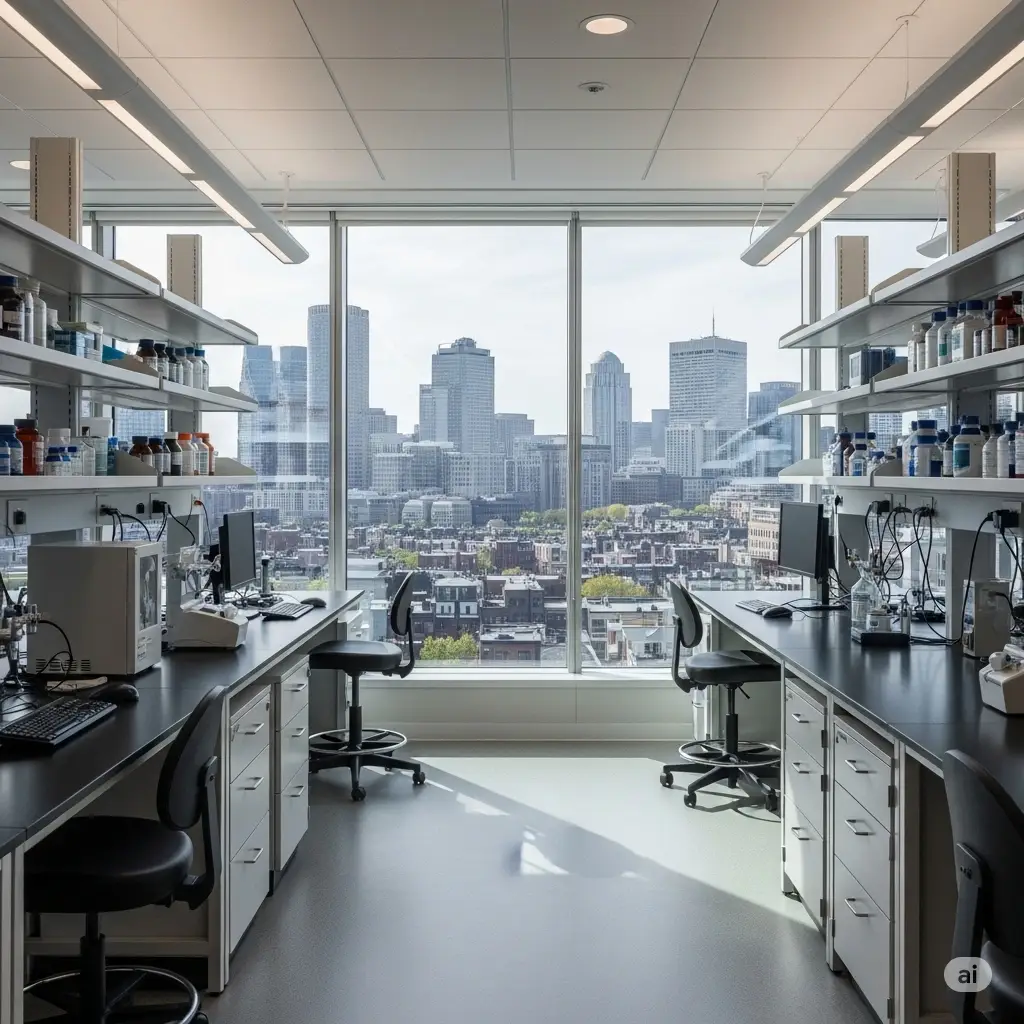
Leading-edge empty laboratory in Boston, Massachusetts, USA. The high-tech space highlights the potential for groundbreaking research on how vibrations can negatively affect human DNA.
Conclusion
Light, sound, and vibration directly influence how cells function. They affect DNA activity, gene expression, and cellular communication.
Ancient practices already used these forces for healing. Today, science confirms their benefits—but excessive vibration, especially in industrial settings, can harm cells and damage DNA.
With ongoing advances in biophysics, quantum biology, and robotic medicine, these forces may soon help repair DNA, prevent disease, and extend healthy human life.